



These are the butterflies that share your traits. Explore them and choose the one that feels most like you.

Brown Argus are small, smart-looking butterflies that flit low over warm grasslands, often seen basking with chocolate-brown wings open to reveal neat orange spots along the edges. While typically found on chalk and limestone grasslands, they also thrive in more unexpected habitats like disused railway lines and roadside verges.
View full profile Voting has ended
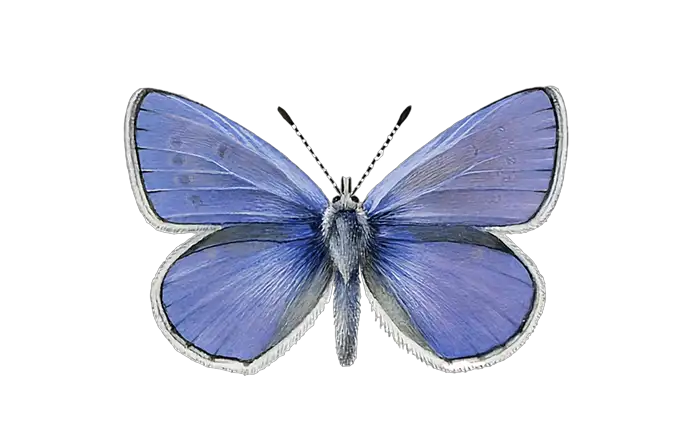
Chalk Hill Blues are pale, delicate butterflies, often seen in fluttering clouds, romantically drifting low over sunny chalk grasslands. Males in particular are full of motion, often gathering in puddling groups to absorb minerals from damp ground. Females, meanwhile, are more reserved and stay closer to home. Like many blues, their caterpillars have cut a cunning deal with ants.
View full profile Voting has ended
The Essex Skipper is a small, golden-orange butterfly, best identified by the black tips on their antennae. These social butterflies enjoy basking together in the evening sun. Adults feed on nectar, while the males will also seek minerals from damp ground. As caterpillars, they feed on grasses, and as eggs are tough enough to survive winter inside the stems.
View full profile Voting has ended
The Small Blue is the UK’s tiniest butterfly, barely larger than your fingernail. Their dusky blue wings and pale undersides make for a subtle but charming sight in chalk and limestone grasslands. They are highly social as adults, often basking and roosting in small groups, but their caterpillars are far less friendly. Feeding exclusively on Kidney Vetch, they develop inside flowerheads and have been known to cannibalise one another. Adult females will mark plants with their scent to deter rivals. Rare and localised, they are found in scattered colonies across southern and central parts of the UK.
View full profile Voting has ended
The White-letter Hairstreak is an elusive butterfly that spends much of its time high in tree canopies, especially around elm trees. Their brown wings feature a flash of orange near the tails and a distinctive white ‘W’ marking underneath. These tail-like extensions help misdirect predators by mimicking a false head. Their caterpillars are masters of disguise, changing appearance as they grow to match elm flowers, buds and leaves. Found across England, Wales and southern Scotland, they are gradually expanding northwards, making them an exciting species on the rise.
View full profile Voting has ended
The Large Skipper is an energetic, fast-flying butterfly that darts through tall grasses and often pauses to bask in the sun. Their warm orange-brown wings, with subtle chequered markings, make them easy to spot at rest. As one of the UK’s largest skipper butterflies, they have a long proboscis that lets them feed from a wide range of flowers. Males are territorial and chase rivals in mid-air spirals, while females move more gently near the ground. Found widely across the UK, they thrive in grassy habitats from meadows to parks and woodland edges.
View full profile Voting has ended
The Cryptic Wood White is a delicate butterfly that looks almost identical to the Wood White, so much so that it was only recognised as a separate species in 2001. With soft white upperwings and grey-green underwings, they have a gentle, drifting flight close to the ground. In the UK, they are found only in Northern Ireland, making location the easiest way to tell these twins apart.
View full profile Voting has ended
The Northern Brown Argus is a small, fast-moving butterfly that flashes silvery as it skims low over flower-rich grasslands. Their brown wings often show a subtle blue sheen, and they are most active in warm conditions. Though similar to the Brown Argus, their distinct spot patterns can help to identify them. Females carefully choose egg-laying sites, even testing plants for nutrients with their feet. They favour lightly grazed grasslands, dunes and quarries, and can be considered a rare and special sight.
View full profile Voting has ended
Clouded Yellows are striking migrant butterflies that travel to the UK from Europe, sometimes arriving in large waves to brighten our coasts and countryside. With strong wings and a wingspan of up to 62mm, they’re built for long-distance flight. They’re adaptable to any environment, and found across the UK. Numbers vary each year, but every sighting of this sunshine-bright traveller feels extra special.
View full profile Voting has ended
Black Hairstreak is one of Britain’s most elusive butterflies, spending much of its life hidden high in the trees. Easily confused with similar hairstreak species, it requires a keen eye to identify. This home-loving butterfly rarely strays far, sticking to small woodland colonies in central and eastern England, and is most active around midday rather than early morning.
View full profile Voting has ended
The Large Blue is the UK’s largest and rarest blue butterfly, known for its striking blue wings with dark borders and spots. Their lifecycle is equally as extraordinary. After feeding on Wild Thyme, their caterpillars are adopted by ants and taken underground, where they feed on ant grubs before clawing out to the surface as adults. In 1979, they were declared extinct in the UK but they have now been successfully reintroduced and are found in parts of south-west England. Despite this success, they remain globally endangered.
View full profile Voting has ended
The Large White is one of the UK’s most familiar butterflies, often seen in gardens, allotments and farmland. Commonly known as the Cabbage White, their caterpillars feed on brassicas such as cabbages and nasturtiums. Females can lay up to 600 eggs at a time, and their populations are boosted by arrivals from continental Europe, sometimes swarming in beautiful clouds of butterflies at the coast.
View full profile Voting has ended
The Chequered Skipper is the comeback king. A small but lively butterfly found in woodland and grassland edges, they’re fast and low-flying, with a distinctive gold and brown checkerboard pattern that helps them blend into vegetation. Males are highly territorial, chasing intruders from their patch. Once extinct in England, the species has made a comeback through successful reintroduction efforts.
View full profile Voting has ended
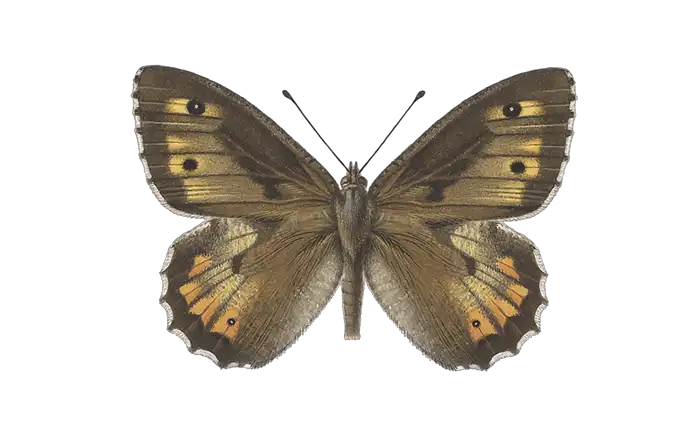
In the remote and rugged landscapes of the Lake District and the Scottish Highlands hides a small but determined little butterfly, full of character - the Mountain Ringlet. The UK’s only true mountain species, they brave harsh weather conditions in return for wild and spectacular scenery. They have a fuzzy black body and rich, chocolate-y coloured wings and eyes. These adaptations help Mountain Ringlets blend in with their surroundings but are also important for keeping them warm. They will only fly for a few short weeks and only very active in bright, sunny weather, making them one of the trickiest UK butterflies to spot!
View full profile Voting has ended
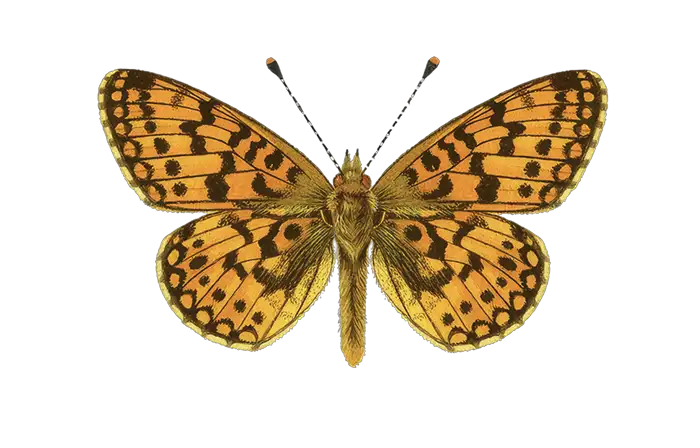
The Small Pearl-bordered Fritillary is a delicate woodland butterfly with subtle orange wings patterned in black and edged with pearly spots. As the name suggests, they look just like their bigger twin, the Pearl-bordered Fritillary. Their markings make them tricky to follow in flight and help them avoid predators. Their chrysalis resembles a dead leaf, with small metallic bumps that may mimic droplets of water. Caterpillars overwinter in leaf litter before emerging in spring.
View full profile Voting has ended
The Painted Lady is a large, fast-flying butterfly with striking black, white and pinky-orange wings. They are famous for their incredible long-distance migrations, travelling all the way from tropical Africa to the Arctic Circle. No single butterfly makes the journey on their own - instead, up to 10 generations each complete a leg of the journey, picking up where their ancestors left off. These adaptable butterflies can be found across the UK in a wide range of habitats, from the countryside to cities, though their numbers vary each year depending on conditions for travel.
View full profile Voting has ended
The Ringlet is a dark, velvety butterfly marked with small eye spots to misdirect its predators. Comfortable in shade, you can often spot a Ringlet even when the other butterflies are hunkering down. They have a distinctive, gentle bobbing flight as they move through tall grasses in damp habitats like woodland rides, riverbanks and grasslands. Common across the UK, they are often overlooked despite their abundance.
View full profile Voting has ended
The Dark Green Fritillary is a fast, powerful butterfly, known for their confident flight over sunny, open landscapes. With bold orange wings patterned in black, hints of green above and shimmering silver spots beneath, they are a striking sight. As caterpillars, they begin life by eating their eggshell before hibernating, later feeding on violets. Found across most of the UK, especially in the west, they can even be found as far north as the Arctic Circle.
View full profile Voting has ended
The Holly Blue is a delicate, dreamy, pale blue butterfly, often seen fluttering high around trees in gardens and parks. Their subtle colouring gives them a soft, almost fairy-like appearance. Unusually, they have two broods each year, with caterpillars feeding on Holly in spring and Ivy in summer. Once found mainly in the south of the UK but now firmly established in the north, their numbers can swing wildly from year-to-year on the fortunes of a parasitoid wasp.
View full profile Voting has ended
Adonis Blues are true showstoppers, with males flashing electric blue wings edged in black and white, while females display subtler brown tones with blue and orange highlights. Found on warm, south-facing chalk and limestone grasslands, these sun-loving butterflies thrive in sheltered spots where large groups can gather. As caterpillars, they rely solely on Horseshoe Vetch and form a remarkable partnership with ants, which protect them in exchange for sugary secretions. Highly social, even roosting together at night, the Adonis Blue’s numbers can rise or fall dramatically depending on the weather.
View full profile Voting has ended
The Small Skipper is a lively, fast-flying butterfly that weaves and darts expertly through tall grasses on orange-brown wings. Often seen basking with wings half-open in typical skipper fashion, they can also be spotted roosting in groups on grass stems. They are highly social, even as caterpillars, overwintering together inside grass sheaths. Widespread across England, Wales and southern Scotland, they are one of the most common skippers found in open grassy habitats.
View full profile Voting has ended
The Green-veined White is often mistaken for a plain white butterfly, but take a closer look and you’ll be treated to a delicate, leaf-like pattern of veins coursing across their wings. The ‘green’ veins are actually an optical illusion formed by yellow, black and grey scales. Males are social, often gathering in muddy patches or even on animal dung to absorb nutrients. They also use scent scales on their wings to release pheromones when attracting mates.
View full profile Voting has ended
The majestic Purple Emperor, found in southern and central England, is rare, big and bold. Males have distinctive purple wings, while females show similar patterns but are brown instead. They live high in the treetops, feeding on honeydew and sap, but occasionally come down to eat… well, poo. Once in decline, the species is showing slight signs of recovery, but remains limited to larger woodlands.
View full profile Voting has ended
The Dingy Skipper may sound dull, but they are full of personality. This small, fast-flying butterfly darts in short bursts and loves basking on warm, bare ground. Their mottled brown and grey wings provide excellent camouflage, especially when resting on dead flowerheads. Unusually, they sometimes roost with their wings curved down like a moth.
View full profile Voting has ended
The Orange-tip is a delightfully uplifting spring butterfly, often seen fluttering through gardens, hedgerows and meadows. Males are easy to recognise by their bright orange wing tips, while females have more subtle black tips. Both share beautifully marbled green and white underwings that provide excellent camouflage. They favour damp habitats such as woodland glades and riverbanks, and are widespread across the UK. Females carefully choose where to lay their eggs, using their feet to test plants like Garlic Mustard and Cuckooflower, to ensure the most nutritious start to life for their caterpillars.
View full profile Voting has ended
The Small Copper is a fiery little butterfly, flashing bright orange as it zips across grasslands, gardens and even waste ground. They are quick, restless flyers, often vanishing just as they come into focus. Males are highly territorial and engage in fast aerial chases to defend their space. They can produce multiple broods in a single season, especially in southern England, with eggs that look strangely like tiny deflated footballs.
View full profile Voting has ended
The Peacock is one of the UK’s most recognisable butterflies, known for its dramatic orange-red wings decorated with black and blue eye spots. With their wings closed, they take on an excellent camouflage among dead leaves. Strong and territorial, males will fiercely defend their patch in daring aerial chases.
View full profile Voting has ended
The Swallowtail is Britain’s largest native butterfly, instantly recognisable by its striking black-and-yellow wings and elegant tail-like extensions. They are a rare butterfly, found only in the Norfolk Broads, where they glide powerfully over open fens. Their caterpillars are bright green with bold black markings and orange ‘horns’, capable of releasing a strong, foul pineapple-like smell when threatened.
View full profile Voting has ended
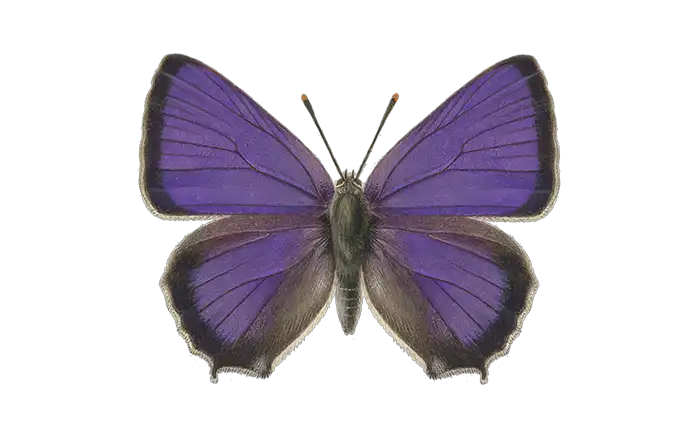
The Green Hairstreak is the UK’s only green butterfly, a tiny emerald-like species that is easy to miss despite its vivid colouring. They spend much of their time perched with wings closed, blending into shrubs such as Hawthorn. Males are surprisingly territorial, engaging in energetic aerial skirmishes to defend their patch. Found across much of the UK in habitats from heathlands to woodland edges, they are widespread but rarely seen due to their excellent camouflage.
View full profile Voting has ended
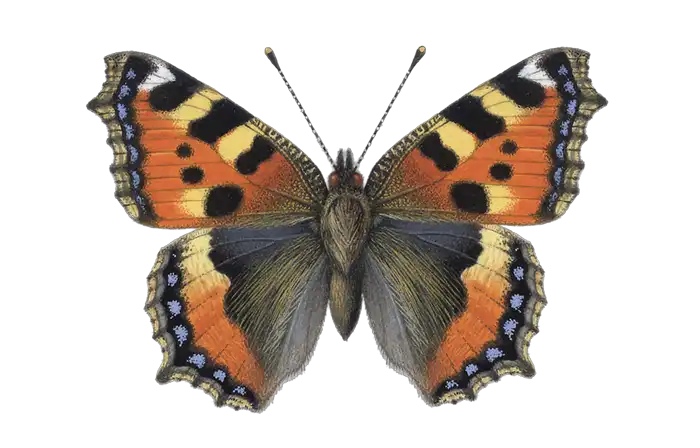
The Small Tortoiseshell is one of the UK’s most colourful butterflies, with bright orange wings marked by black stripes and blue spots. Their underside is dark and bark-like, helping them blend into trees and dead leaves at rest. They are active across much of the year and may even be seen on mild winter days. Caterpillars live communally, defending themselves by moving in unison and producing green vomit to deter predators. Males perform a unique courtship by drumming their antennae on the wings of females for hours.
View full profile Voting has ended
The Grayling is a master of disguise, blending seamlessly into rocks, soil and tree trunks. Their mottled grey undersides can make them almost invisible, especially when they shorten their shadow by lining themselves up with the sun. If disturbed, they suddenly reveal bold eye-like spots on dark wings to deter predators. In more romantic times, the males seek to seduce by performing an intricate courtship display.
View full profile Voting has ended
The Pearl-bordered Fritillary is a delicate woodland and hillside butterfly that flashes bright orange as it darts through sunlit clearings and rides and along sheltered slopes. They are one of the earliest fritillaries to emerge in spring, often seen searching for nectar on flowers such as Bugle. At rest, their underwings reveal a distinctive row of pearl-like markings that help them blend into bracken and leaf litter. Once more widespread, they are now only widespread across Scotland and select woodland habitats across the rest of the UK.
View full profile Voting has ended
The Gatekeeper, also known as the Hedge Brown, likes to linger around hedgerows and field edges. Often seen basking with their wings open, they glow a warm orange that stands out beautifully among wildflowers. Found in gardens, grasslands and scrubby habitats, they are common in England and Wales and have recently begun to spread their wings north into Scotland.
View full profile Voting has ended
The Lulworth Skipper is one of the UK’s smallest butterflies. Found only on a tiny stretch of the Dorset coast, they are one of the country’s most geographically restricted species. At first glance they might seem a bit plain, but when they open their wings, a bright crescent of golden-orange appears, making them easier to identify. They fly in a lively, skipping motion over steep coastal grasslands, and are often seen alongside other species like Marbled Whites and burnet moths.
View full profile Voting has ended
A beautiful flash of yellow, this unmistakable butterfly can be spotted from afar as they flit about hedgerows, verges and gardens. There’s a theory that the word 'butterfly' originates from the distinctive yellow colour of male Brimstones, making them a bit of a big name around here.
View full profile Voting has ended
The Duke of Burgundy may have a regal name, but it is actually a small, low-flying butterfly that like to stay close to the ground. Males are fiercely territorial, defending their patch from a chosen perch and chasing intruders in spiralling flights of combat. Their striking orange and black wings resemble the fritillary butterflies, but they are really the UK’s only member of the ‘metalmark’ family - named after the metallic spots on their wings. As caterpillars, they feed on Primrose and Cowslip, leaving distinctively tidy feeding holes. And you better watch out, because the females have claws!
View full profile Voting has ended
The Small Heath is a tiny, understated butterfly that often goes unnoticed as it flutters low over grassy habitats across the UK. Their brown and orange wings provide excellent camouflage among grasses, while bold eye spots help to distract predators. They often roost on dead flowerheads at night, blending seamlessly into their surroundings. Males are territorial and gather to compete for mates.
View full profile Voting has ended
The Common Blue is one of the UK’s most widespread butterflies, found in grasslands, meadows and coastal areas. Males shimmer bright blue, while females vary in colour across the UK, from mostly brown with hints of blue in England to more vivid blue forms in Scotland and Northern Ireland. They thrive in sunny, sheltered spots rich in flowers. Females carefully choose egg-laying sites by testing plants with their feet. With the ability to produce multiple generations each year, they are a familiar and adaptable presence across the UK.
View full profile Voting has ended
Named after pioneering entomologist Lady Eleanor Glanville, the Glanville Fritillary is a striking orange and black butterfly, known for its bold checkered wing patterns that make it stand out in flight. They have a fascinating social side, with caterpillars living together in silken webs. Now considered endangered in the UK, their numbers have declined due to habitat loss along the coast on the Isle of Wight where they live.
View full profile Voting has ended
The Small White is one of the UK’s most common butterflies, found across gardens, fields, hedgerows and roadsides, though it is scarce in the far north of Scotland. Similar to the Large White but smaller, they are often called ‘Cabbage Whites’ because their caterpillars feed on cabbages and other brassicas. Strong fliers, they can travel long distances and are joined in the UK by migrants from continental Europe. Males provide nutrient gifts during mating that help extend the females' lifespans.
View full profile Voting has ended
The Brown Hairstreak spends most of its life high in tree canopies. It is often one of the last butterflies to emerge in summer, but enjoys waking up early to make the most of the morning sun. As caterpillars, they glow under UV light, a handy quirk for the scientists who track them. Found along hedgerows and woodland margins in central and southern Britain, this butterfly is increasingly rare due to habitat loss.
View full profile Voting has ended
The Grizzled Skipper is a small but lively butterfly, darting low across open ground and perching frequently. Up close, their striking black and white chequered wings are what set them apart from other skippers. They enjoy basking in warm sunshine but are active throughout the day, from early morning into the evening. Found in habitats with sparse vegetation such as woodland rides, grasslands and even brownfield sites, they are flexible but selective about where they lay their eggs.
View full profile Voting has ended
The Wood White is a delicate butterfly that drifts gracefully through woodland clearings and sunny glades. Their soft white wings, tinged with grey, give them a gentle, floating appearance that can make them easy to overlook. Males are surprisingly active, patrolling tirelessly and performing elaborate courtship displays, while females live life at a more leisurely pace, resting and feeding on flowers. Their caterpillars can travel surprisingly long distances.
View full profile Voting has ended
The Large Heath is a specialist of bogs and wet moorlands, with earthy orange, brown and grey wings that blend into their surroundings. They fly low and unhurried, searching for nectar like Cross-leaved Heath. Their caterpillars are remarkably tough, able to survive flooding and even freezing conditions. Found in Scotland, northern England, Wales and Northern Ireland, their appearance can vary by region, with southern individuals showing more eye-spots to misdirect predators while northern ones rely more heavily on camouflage.
View full profile Voting has ended
The Large Tortoiseshell is one of the UK’s newest returning butterflies, having recently reappeared after being extinct since the 1960s. Similar to the Small Tortoiseshell but noticeably larger and slightly more muted in colour, they are a rare and exciting sight. Unusually for butterflies, they hibernate through the winter as adults in dark, dry places like tree hollows and outbuildings. Their caterpillars feed on elm, while adults are drawn to rotting fruit. Now slowly re-establishing in southern England, particularly in woodland, orchards and parkland, they remain one of Britain’s most closely watched comeback species.
View full profile Voting has ended
The Scotch Argus is a butterfly of northern uplands, found in grasslands, bogs and woodland edges in northern England and Scotland. Their mottled brown underwings provide excellent camouflage, while their velvety dark upperwings with orange-ringed eye spots stand out in flight. Males are highly active in sunshine, constantly searching for mates, while females are more reserved, basking or feeding for long periods. They have a short flight season and are keen to take advantage of warm conditions, so don’t be surprised if they’re the first butterfly up in the morning.
View full profile Voting has ended
The Silver-spotted Skipper is a small, fast-flying butterfly found only on chalk downlands in southern England. Their orangey-brown wings are marked with distinctive silver-white spots on the underside which give them their name. They are highly selective, only flying when temperatures reach around 20°C. Their caterpillars rely solely on Sheep’s-fescue grass for food and live in tiny shelters made from the same grass.
View full profile Voting has ended
The White Admiral is an elegant woodland butterfly, gliding through shady canopies before drifting down to nectar on Bramble. Their velvety black wings are crossed with bold white bands, while the undersides reveal orange, silver and white tones with dark spots. They are often confused with the Purple Emperor but have their own quiet majesty. Caterpillars feed on Honeysuckle and build protective shelters for the winter.
View full profile Voting has ended
The Red Admiral is one of the UK’s most iconic butterflies, known for its bold black wings marked with vibrant red-orange bands and white tips. Its underside is just as striking, blending blues, oranges and mottled browns for camouflage against bark and stone. Strong migrators, they arrive from continental Europe and North Africa, though some now overwinter in southern England. Adults feed on fermenting fruit, tree sap and even dung, while caterpillars rely on nettles.
View full profile Voting has ended
The Heath Fritillary is one of the UK’s rarest butterflies, found only in a few small colonies in southern England. Known as the ‘Woodman’s Follower’, they rely on areas of woodland where trees have been cut to keep habitats sunny and sheltered heathland valleys. Males and females often bask together, while the young caterpillars live communally after hatching from large batches of eggs. Now one of our rarest butterflies, they’ve been saved from the brink of extinction by the concerted action of conservationists.
View full profile Voting has ended
The Marsh Fritillary is one of the UK’s most brightly patterned fritillaries, thriving in damp grasslands and marshy habitats. Despite their soggy surroundings, they are bold and territorial, feeding on nectar and relying on the unusual Devil’s-bit Scabious as their caterpillar foodplant. Their caterpillars are spiky and live communally in silken webs, which are even used by scientists to monitor populations. Known for dramatic boom-and-bust cycles, they can be abundant one year and scarce the next.
View full profile Voting has ended
The Silver-studded Blue is a tiny, shimmering butterfly of heathlands, chalk and limestone grasslands, and coastal dunes. Males gleam with metallic blue wings, while females are rich brown with hints of blue, and both display silvery spots on their undersides. They stay close to home, rarely venturing far from their colony. Like many blue butterflies, they rely on ants for protection. Despite their beauty and charm, their range has declined significantly and they are now considered vulnerable in the UK.
View full profile Voting has ended
The Purple Hairstreak is a canopy-dwelling butterfly, most often found high in Oak trees where it feeds on aphid honeydew. Their shimmering purple upperwings are rarely seen, but when they do open their wings they reveal a flash of striking colour. From below, they appear silver-grey with orange spots and tail-like markings that can mislead predators into attacking the wrong end. Though found across much of the UK in woodlands, hedgerows and parks, they are often difficult to spot due to their treetop lifestyle.
View full profile Voting has ended
The Speckled Wood is a brown, cream-spotted butterfly, mimicking the dappled light of its woodland habitats. They are often seen drifting through shaded glades, tree edges and gardens, basking in sunbeams or chasing rivals in spiralling aerial battles. Males are highly territorial, defending sunny patches, while females will avoid unwanted attention by faking their own death. Widespread across most of the UK, they thrive wherever there is a mix of sunlight and shadow.
View full profile Voting has ended
The Silver-washed Fritillary is the UK’s largest fritillary. A powerful and graceful butterfly, it glides through sunlit woodlands, catching the rays on bright orange upperwings marked with black, while its underwings shimmer with silver and green. They spend time both in the canopy feeding on honeydew and lower down on flowers like Bramble and thistles. Unusually, females lay eggs away from foodplants, leaving caterpillars to find their own way.
View full profile Voting has ended
The Comma is a master of disguise, with ragged wings and mottled colours that help them blend in perfectly with dead leaves. As caterpillars, they even resemble bird droppings for extra protection while feeding on nettles and hops. Found across the UK in woodlands, gardens, and beyond, and at almost any time of the year, this adaptable butterfly has made a strong comeback.
View full profile Voting has ended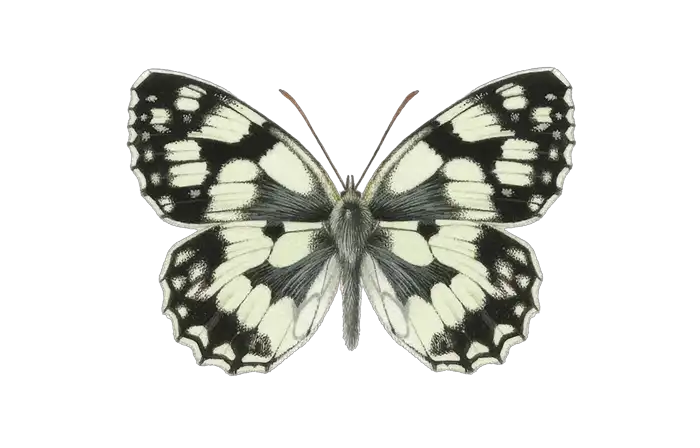
The Marbled White is a striking butterfly with a bold black-and-white pattern. They glide gracefully over flower-rich grasslands and can appear in large numbers during midsummer, sometimes drifting into gardens. Their pale markings contain chemicals that help put off predators while also making them more visible to potential mates. They are mostly found in southern and central areas of the UK, gradually expanding northwards.
View full profile Voting has ended
The Wall is a heat-seeking coastal butterfly with brown wings patterned with bright orange and black eye spots. Often seen basking on walls, rocks and paths, they are well adapted to stony and sandy habitats, with mottled underwings that provide excellent camouflage. Disturb them, and they’re liable to keep their eye on you from a short distance in front, and have often made walkers feel like they are being followed. Found mainly in coastal regions across the UK, they are usually seen on their own or in small numbers.
View full profile Voting has ended
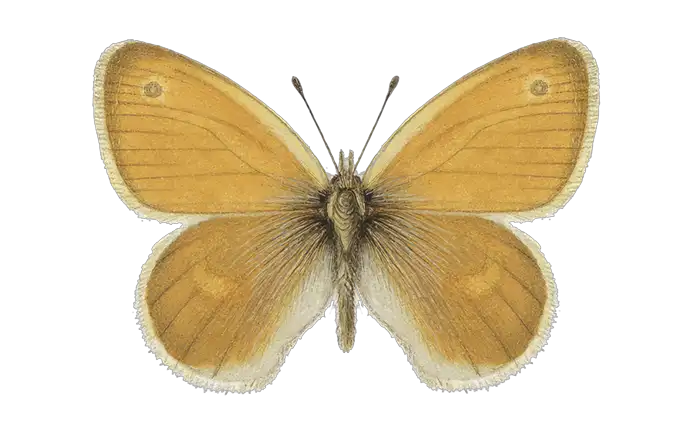
The Meadow Brown is one of the UK’s most widespread butterflies, found in gardens, parks, cemeteries and grassy spaces across the UK. This unassuming but elegant brown butterfly is marked with soft orange patches and drifts slowly through the landscape, often flying even in dull, drizzly weather as long as it’s warm enough. Extremely abundant in many habitats, they can appear in large numbers, yet their simple, understated beauty makes them a favourite among butterfly watchers.
View full profile Voting has ended
The High Brown Fritillary is Britain’s most endangered butterfly, now found only in small areas of the west of England and South Wales. This large, fast-flying species flashes bright orange wings over bracken-covered hillsides in search of nectar. Though similar to the Dark Green Fritillary, they can be identified by the orange-ringed spots on their underwings. Their caterpillars feed on violets and bask in the sun to help them grow. Adults are surprisingly wide-ranging, travelling up to 2km from their colony, but their numbers have declined sharply since the 1950s.
View full profile Voting has endedBritain’s Favourite Butterfly will be revealed on Thursday, 11th June 2026.