

Glanville Fritillary
Melitaea cinxiaNamed after pioneering entomologist Lady Eleanor Glanville, the Glanville Fritillary is a striking orange and black butterfly, known for its bold checkered wing patterns that make it stand out in flight. They have a fascinating social side, with caterpillars living together in silken webs. Now considered endangered in the UK, their numbers have declined due to habitat loss along the coast on the Isle of Wight where they live.

A striking butterfly, named after a striking Lady
This striking orange and black butterfly is a real headturner. Its ornate checkered patterns on both the top and undersides of its wings make it stand out against the blue skies it loves so much.
The Glanville Fritillary is named after Lady Eleanor Glanville, a pioneering 17th-century entomologist who discovered the butterfly in Lincolnshire. It is the only native British butterfly named after a British naturalist. You can still visit some of Glanville’s specimens in the Natural History Museum!
Glanville Fritillaries are friendly little things, with caterpillars that live cosily together in silken webs.
Unfortunately, in recent decades, this butterfly has been in decline and is now considered endangered. This is partly due to the loss of habitat from measures designed to protect the coast from erosion. There are only a handful of core breeding areas where this butterfly remains.
You’ll find them mainly on the Isle of Wight and along small parts of the UK’s south coast, where warm, sheltered slopes provide perfect conditions. It’s best to look for them in sunny conditions as they tend to lay low when the clouds come in.
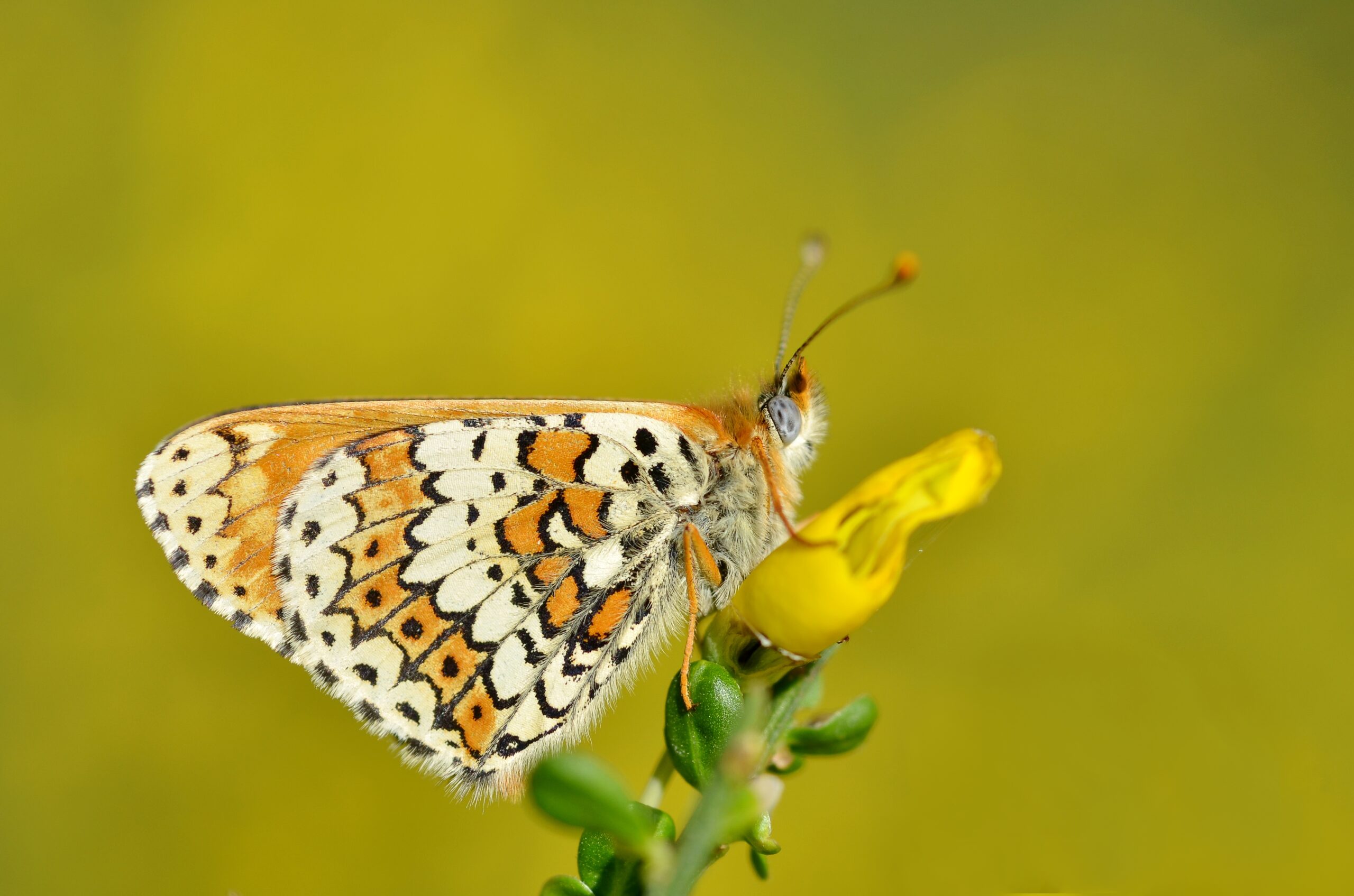
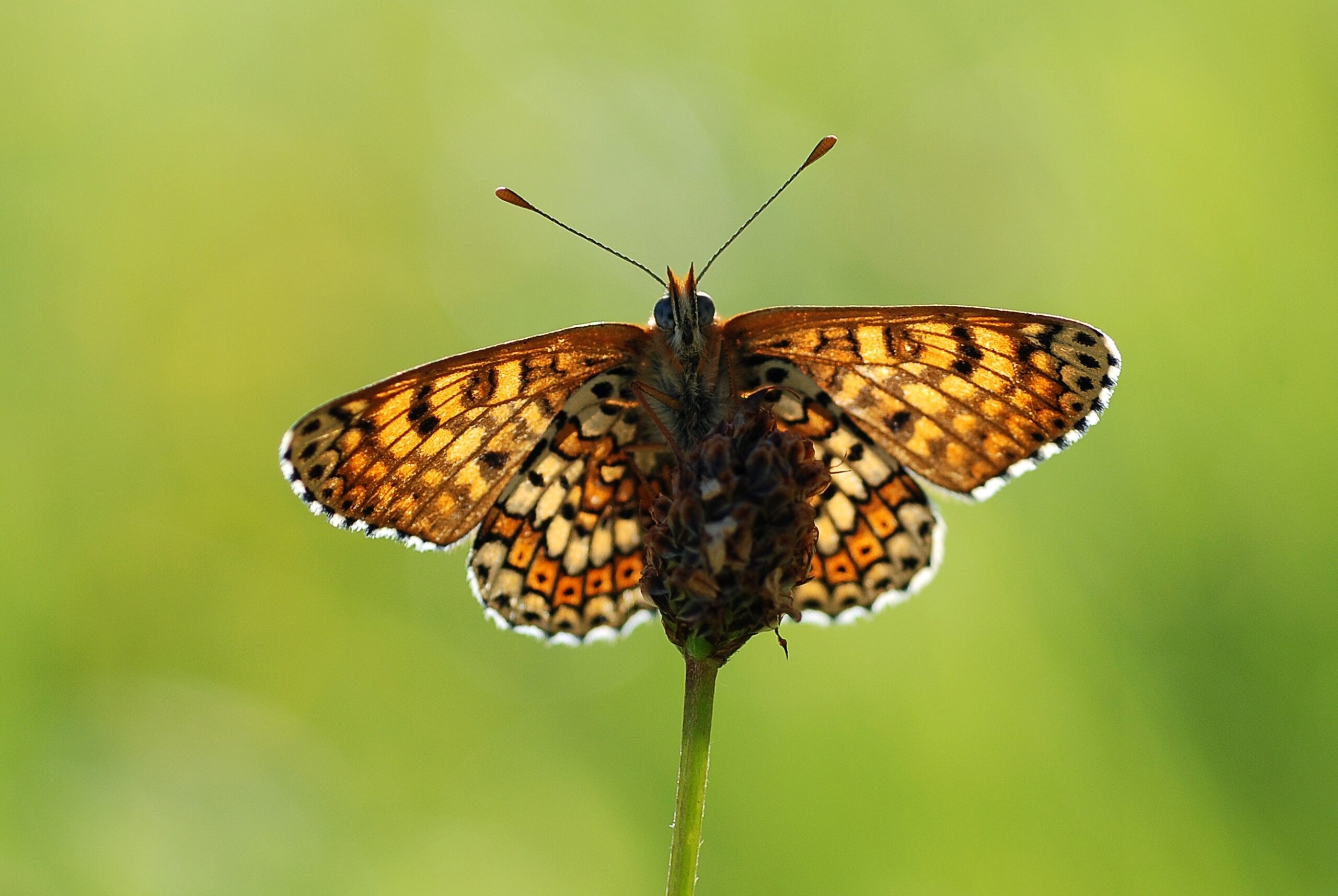
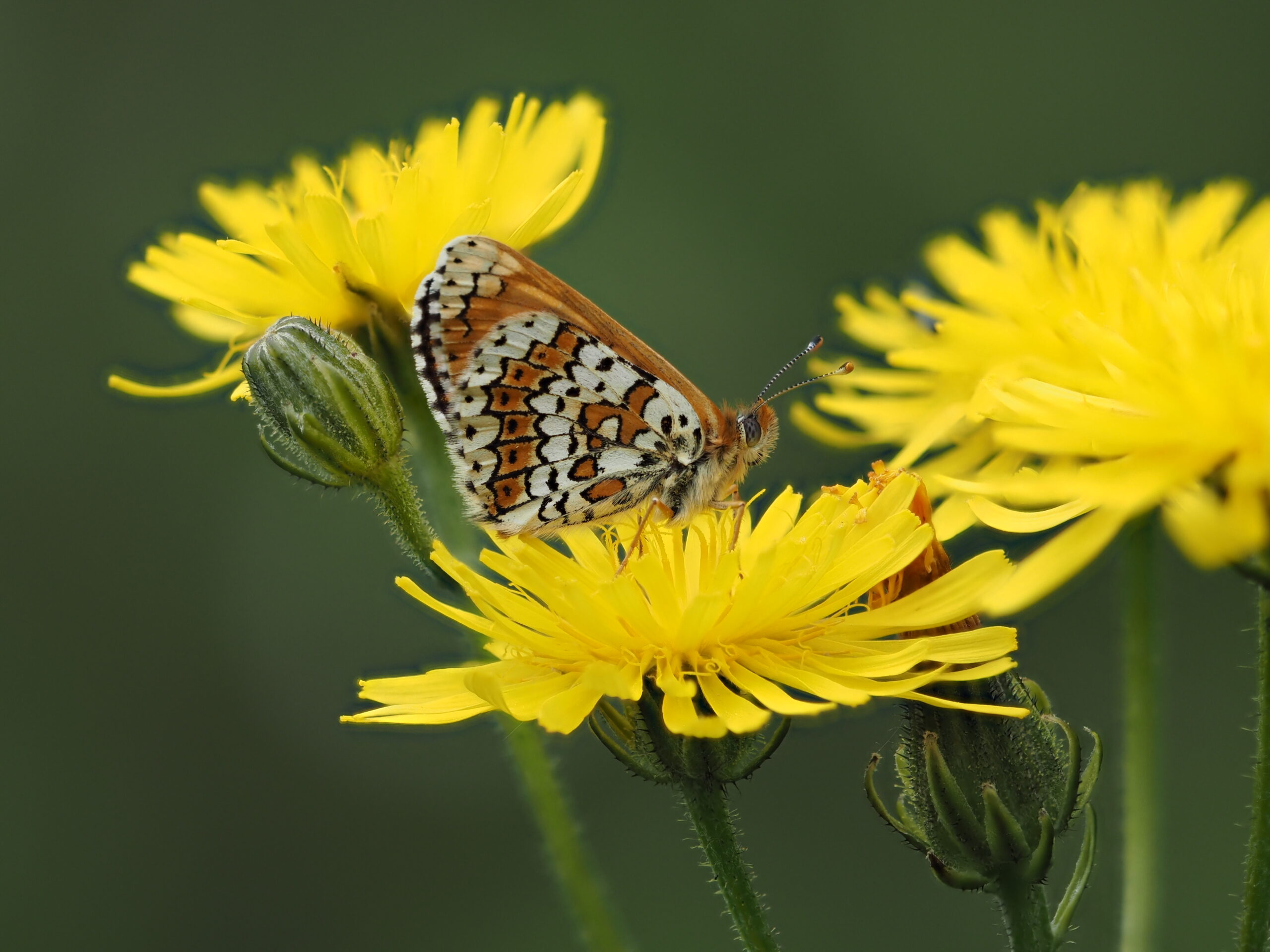
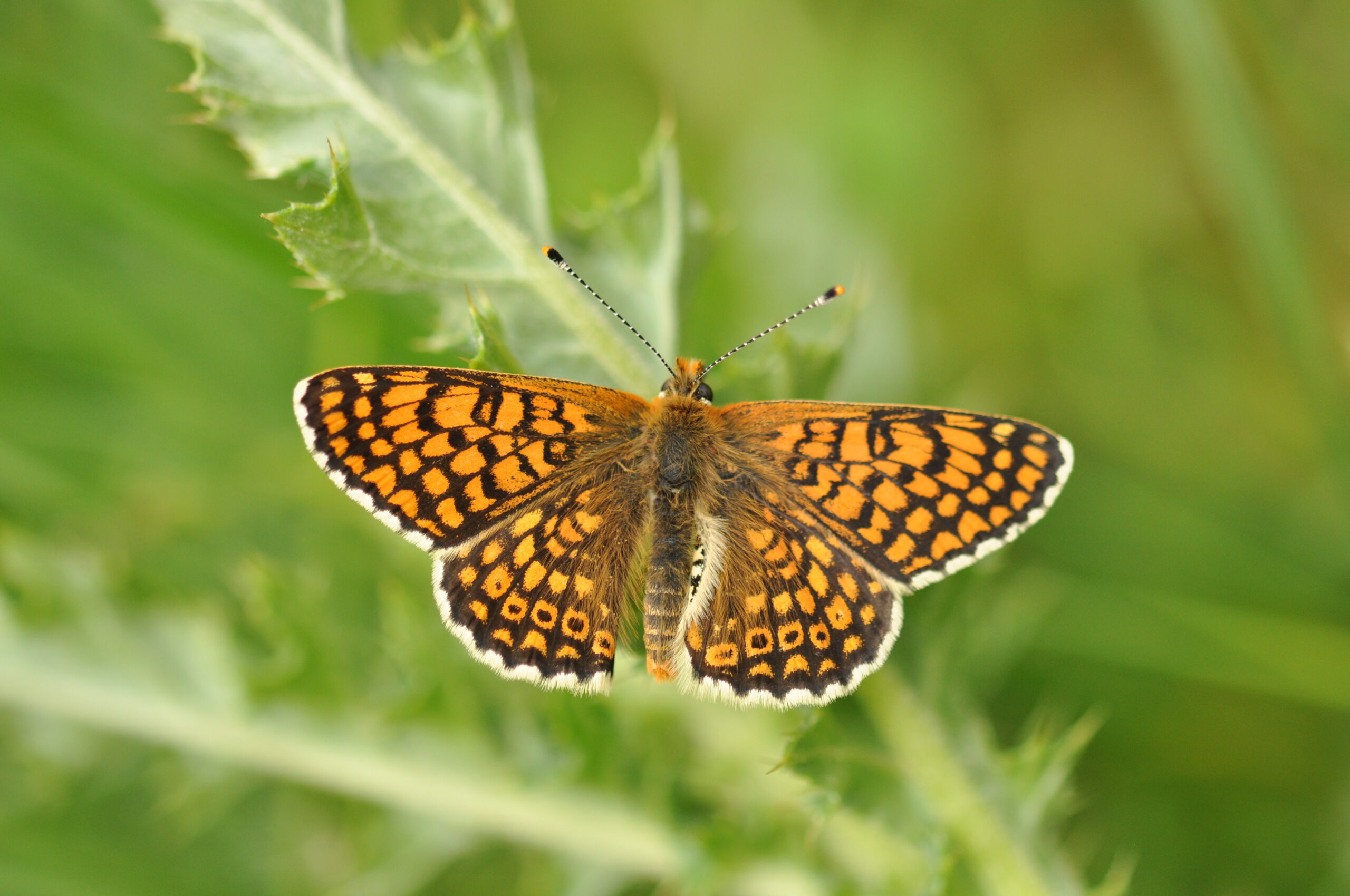
Vibes
Each butterfly is scored out of 100 across a set of traits, from how bold and visible it is to how far it travels or how particular it is about where it lives. These scores compare each species with the other butterflies in Britain, helping you see their differences at a glance. Here’s what makes the Glanville Fritillary special.
Bright colours, bold patterns, and a love of the spotlight. Some butterflies just can’t help showing off.
Fast, or throwing some seriously impressive moves, these butterflies are in a flutter.
Always on guard, ready to hide or defend - these butterflies have self-preservation down to an art.
It’s ok to be a little… well, weird. These butterflies have been certified with the freak factor.
Like Goldilocks, everything has to be just right for these perfectionists.
Hard to spot and even harder to forget, these butterflies are a true one of a kind.
Bold, curious, and ready to explore, these brave butterflies live for the thrill and aren’t afraid to travel.
Weather-resistant, battle-hardened, and built to survive, these butterflies know how to take it on the wing.
Glanville Fritillaries are named after Lady Eleanor Glanville, a pioneering 17th-century entomologist.
Test your knowledge
Where are Glanville Fritillaries most commonly found in the UK?The Glanville Fritillary is found on the Isle of Wight and small areas along the south coast. Their numbers are sadly in decline due to habitat loss.


Voting has now closed