

Small Copper
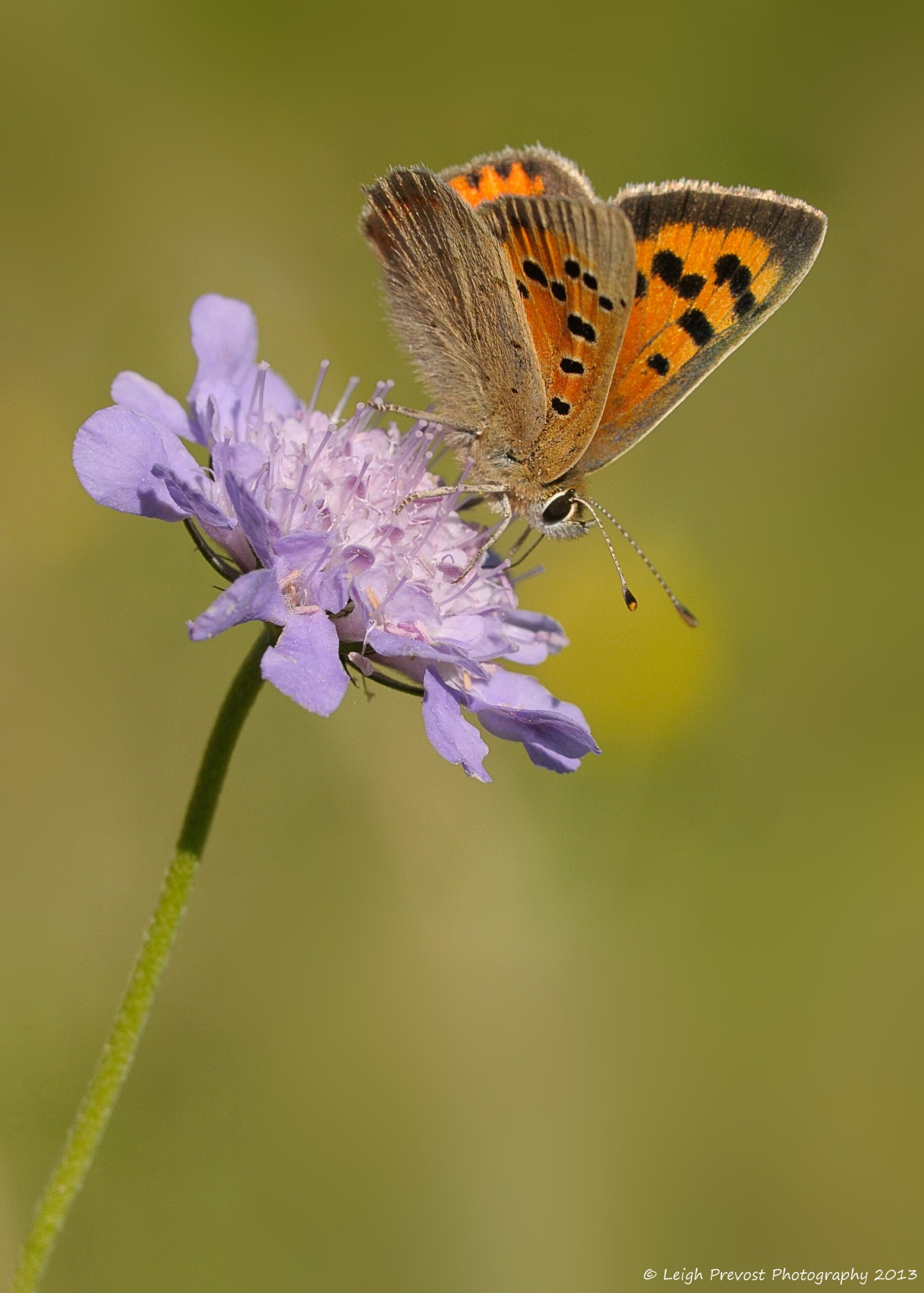
Lycaena phlaeasThe Small Copper is a fiery little butterfly, flashing bright orange as it zips across grasslands, gardens and even waste ground. They are quick, restless flyers, often vanishing just as they come into focus. Males are highly territorial and engage in fast aerial chases to defend their space. They can produce multiple broods in a single season, especially in southern England, with eggs that look strangely like tiny deflated footballs.

A feisty flash in grasslands and gardens
The Small Copper has the fiery personality to match its vivid appearance.
The males will take up a sunny spot to establish a small territory and then aggressively defend it, flying up to intercept passing insects and engaging in high-speed dogfights with other males.
When it’s time to lay her eggs, the female will swoop low across the ground, searching for a suitable foodplant – usually Sorrel.
They’ve been known to have up to four broods in a single season in southern England, prolonging their flying season from April all the way to October or even November.
The Small Copper can be found in a wide variety of habitats, from chalk grasslands and heathlands, to gardens and waste ground, almost anywhere across the UK.


Vibes
Each butterfly is scored out of 100 across a set of traits, from how bold and visible it is to how far it travels or how particular it is about where it lives. These scores compare each species with the other butterflies in Britain, helping you see their differences at a glance. Here’s what makes the Small Copper special.
Bright colours, bold patterns, and a love of the spotlight. Some butterflies just can’t help showing off.
Fast, or throwing some seriously impressive moves, these butterflies are in a flutter.
Always on guard, ready to hide or defend - these butterflies have self-preservation down to an art.
It’s ok to be a little… well, weird. These butterflies have been certified with the freak factor.
Like Goldilocks, everything has to be just right for these perfectionists.
Hard to spot and even harder to forget, these butterflies are a true one of a kind.
Bold, curious, and ready to explore, these brave butterflies live for the thrill and aren’t afraid to travel.
Weather-resistant, battle-hardened, and built to survive, these butterflies know how to take it on the wing.
Chosen By
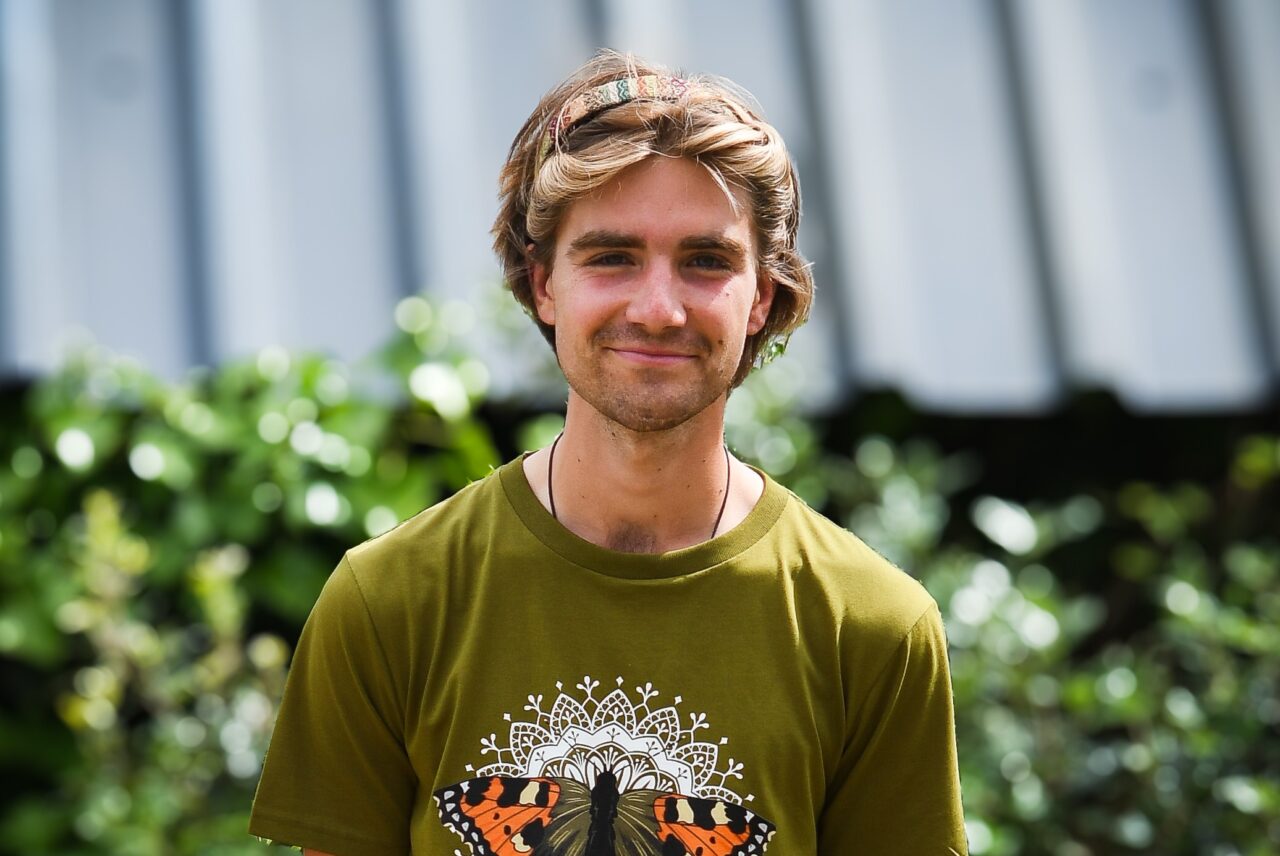
I really love the Small Copper. It has always been my favourite – mainly because they are such a pain to get close to! I do butterfly surveys on the heathland near me and you just see this little flash of orangey-red colour with black dots going past and try and track it down but, of course, it’s going about 300mph and you can’t catch up with them. They’re just absolutely stunning, and what I really love about species like that is that there’s so much colour and detail crammed into something so small.
Small Coppers can produce up to four generations in one season in southern England when conditions are warm enough.
Test your knowledge
What is the Small Copper’s main caterpillar foodplant?Small Copper caterpillars feed on Sorrel, which determines where they can be found.


Voting has now closed