

Duke of Burgundy
Hamearis lucinaThe Duke of Burgundy may have a regal name, but it is actually a small, low-flying butterfly that like to stay close to the ground. Males are fiercely territorial, defending their patch from a chosen perch and chasing intruders in spiralling flights of combat. Their striking orange and black wings resemble the fritillary butterflies, but they are really the UK’s only member of the ‘metalmark’ family - named after the metallic spots on their wings. As caterpillars, they feed on Primrose and Cowslip, leaving distinctively tidy feeding holes. And you better watch out, because the females have claws!

Small, but ready to skirmish
Despite their small stature, Duke of Burgundy butterflies are fierce, and happy to fight off intruders much bigger than themselves. Males will dart out from a prominent perch and engage in spiralling aerial skirmishes to defend their territory from trespassers.
As caterpillars, Duke of Burgundy are such tidy eaters that you can use the neat little holes they create in the leaves to identify their habitat. These will usually be found on Primrose and Cowslip plants.
They are vibrant little butterflies with beautiful black and orange patterning on their upperwings and rows of bright white marks on the underwings.
But let’s talk about their legs. The male’s forelegs don’t allow him to walk very well, but in the females, these legs are fully formed and even have claws!
The Duke is quite particular when it comes to habitat, and is only found in scattered colonies across England. You’ll find them in chalk and limestone grassland or ancient woodland clearings.
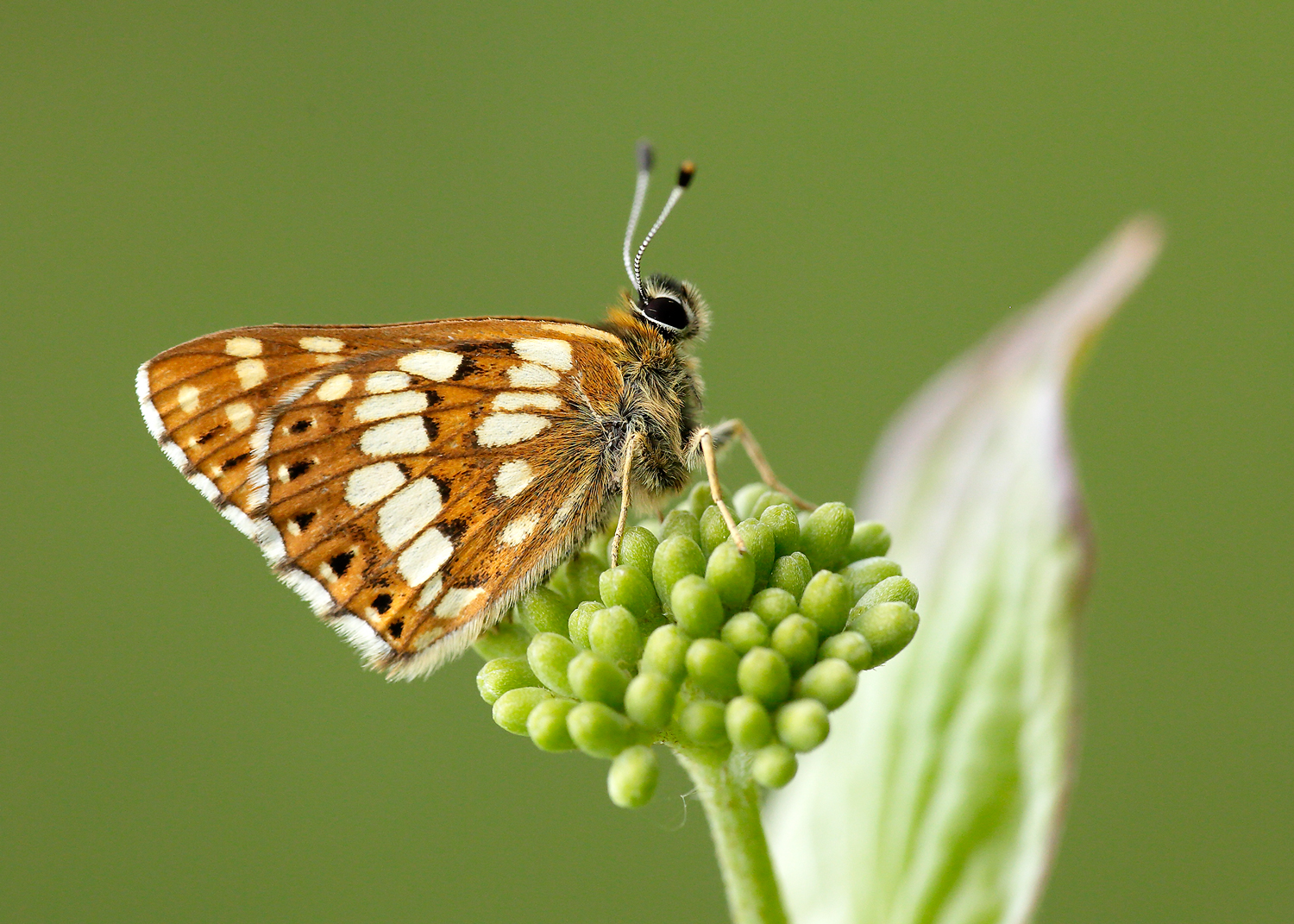
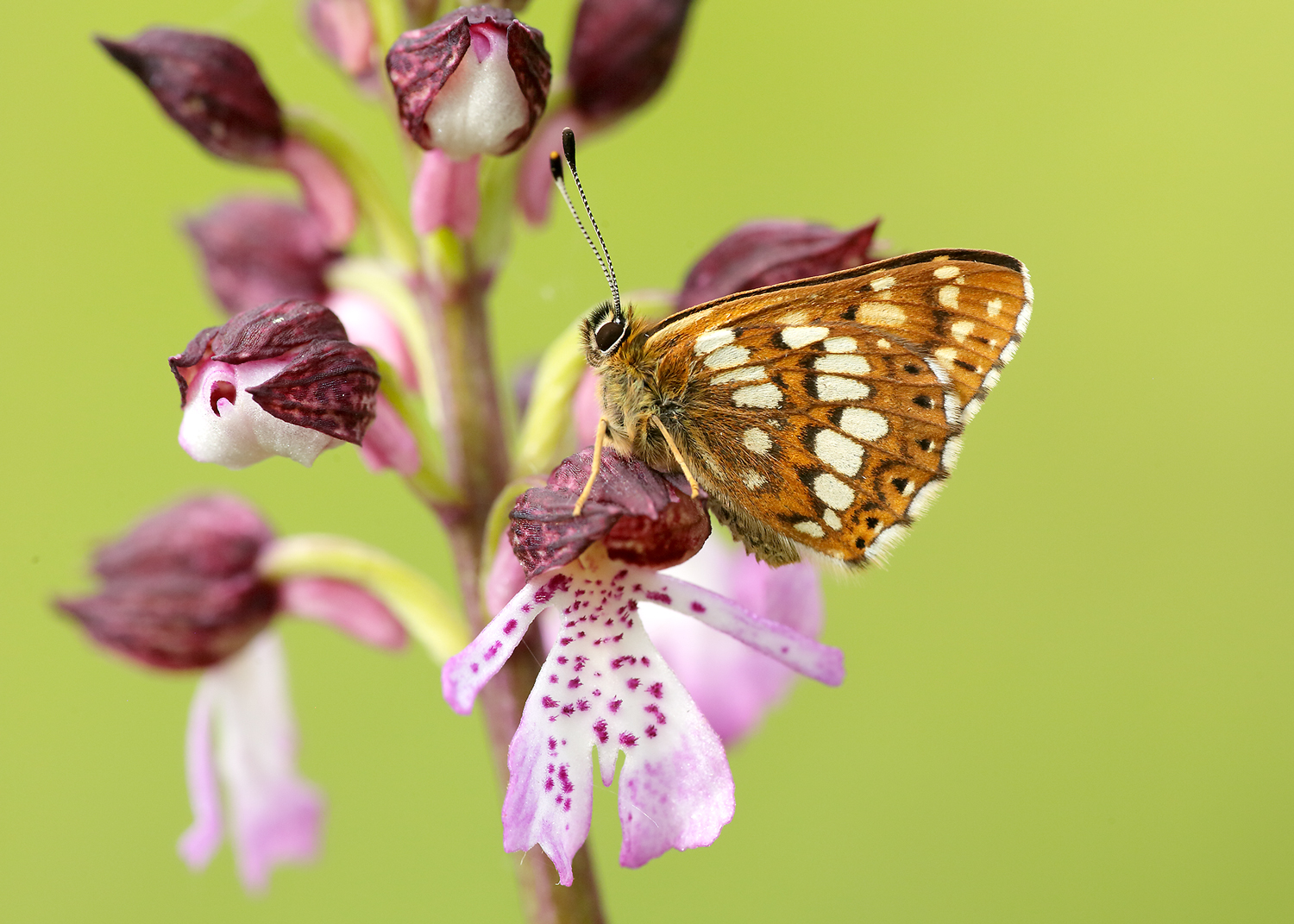
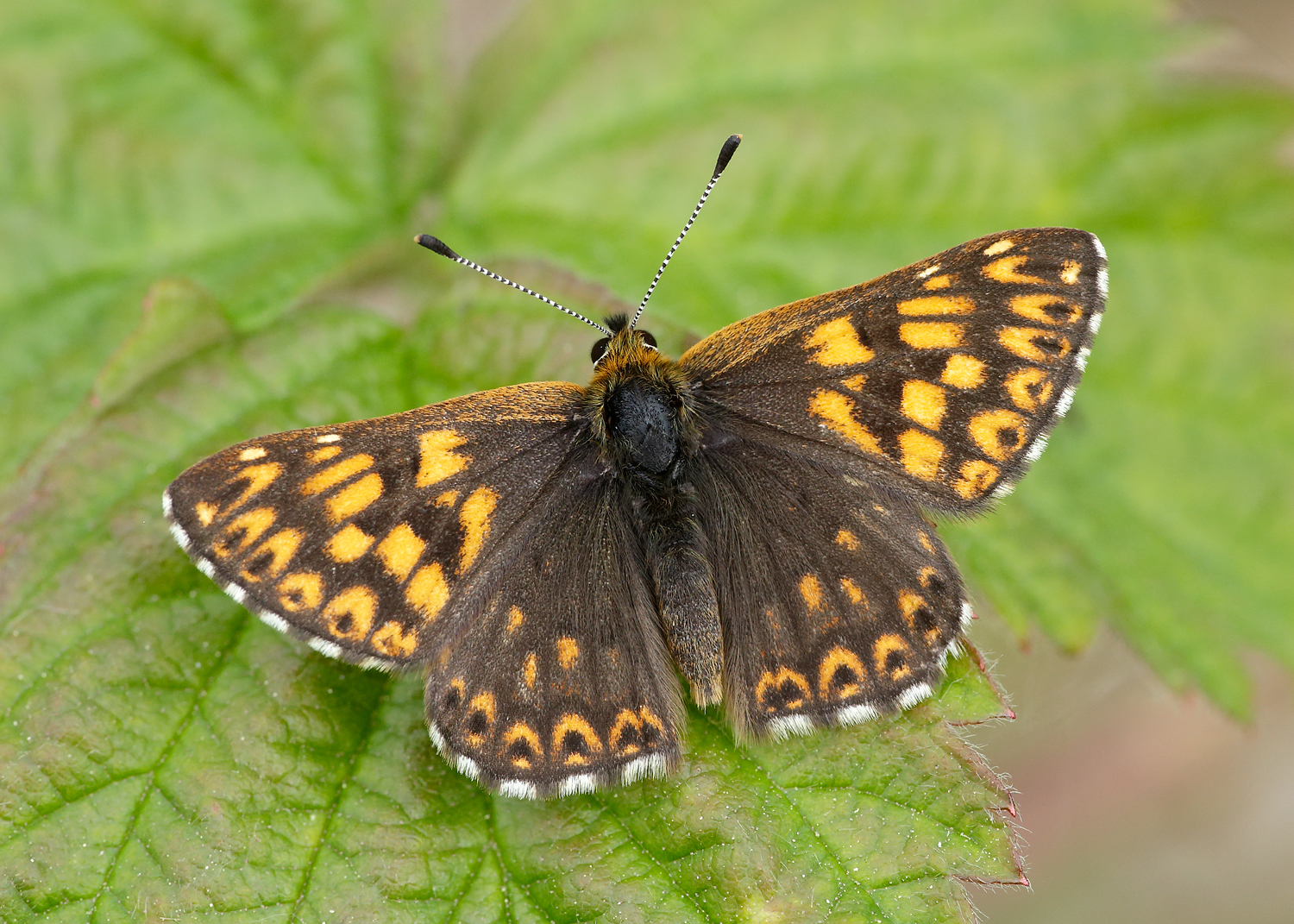
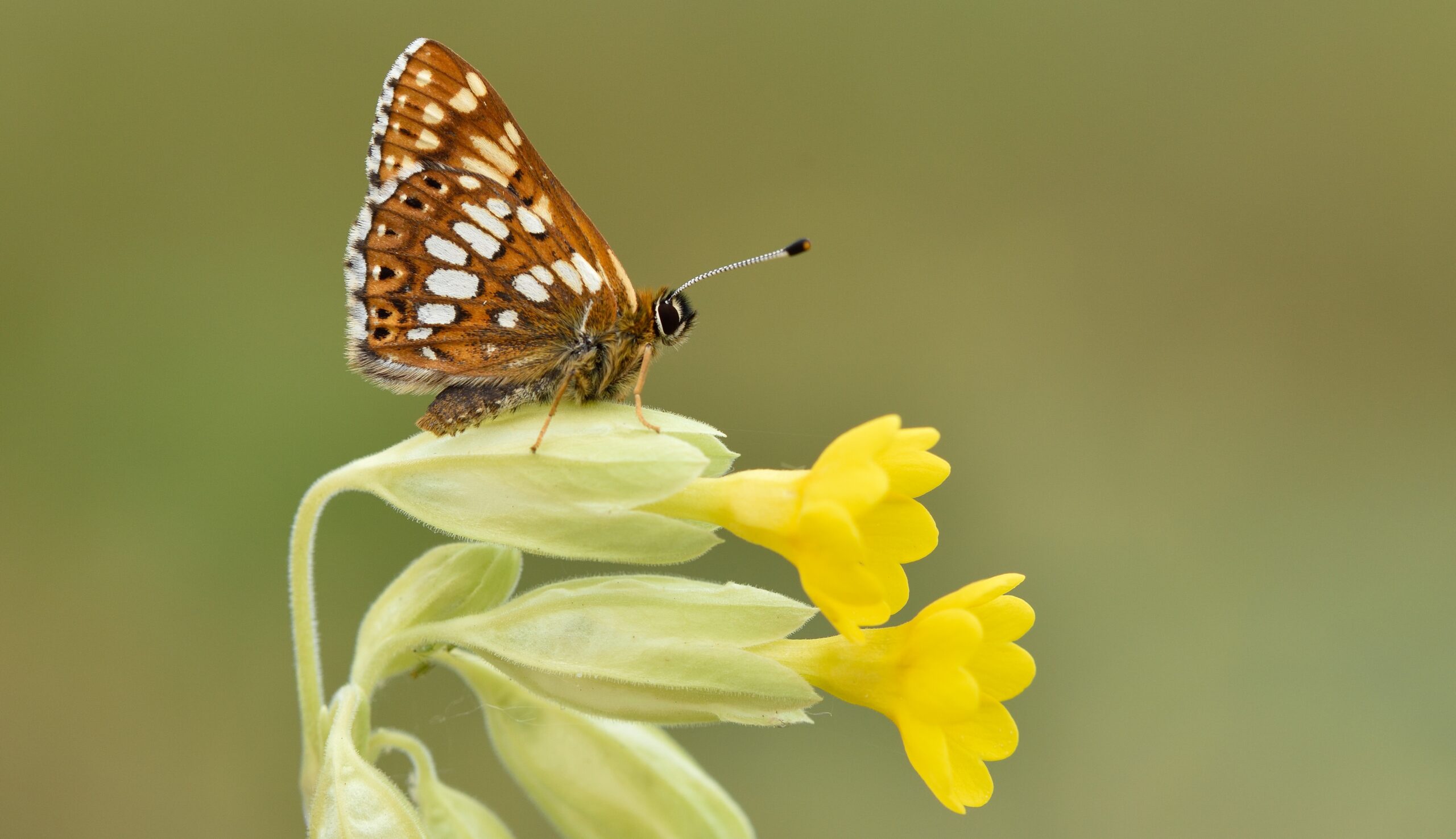
Vibes
Each butterfly is scored out of 100 across a set of traits, from how bold and visible it is to how far it travels or how particular it is about where it lives. These scores compare each species with the other butterflies in Britain, helping you see their differences at a glance. Here’s what makes the Duke of Burgundy special.
Bright colours, bold patterns, and a love of the spotlight. Some butterflies just can’t help showing off.
Fast, or throwing some seriously impressive moves, these butterflies are in a flutter.
Always on guard, ready to hide or defend - these butterflies have self-preservation down to an art.
It’s ok to be a little… well, weird. These butterflies have been certified with the freak factor.
Like Goldilocks, everything has to be just right for these perfectionists.
Hard to spot and even harder to forget, these butterflies are a true one of a kind.
Bold, curious, and ready to explore, these brave butterflies live for the thrill and aren’t afraid to travel.
Weather-resistant, battle-hardened, and built to survive, these butterflies know how to take it on the wing.
The Duke of Burgundy is the UK’s only member of the metalmark butterfly family.
Test your knowledge
What makes the Duke of Burgundy unique among UK butterflies?The Duke of Burgundy is the only representative of the Riodinidae or metalmark family in the UK.


Voting has now closed