

Large Heath
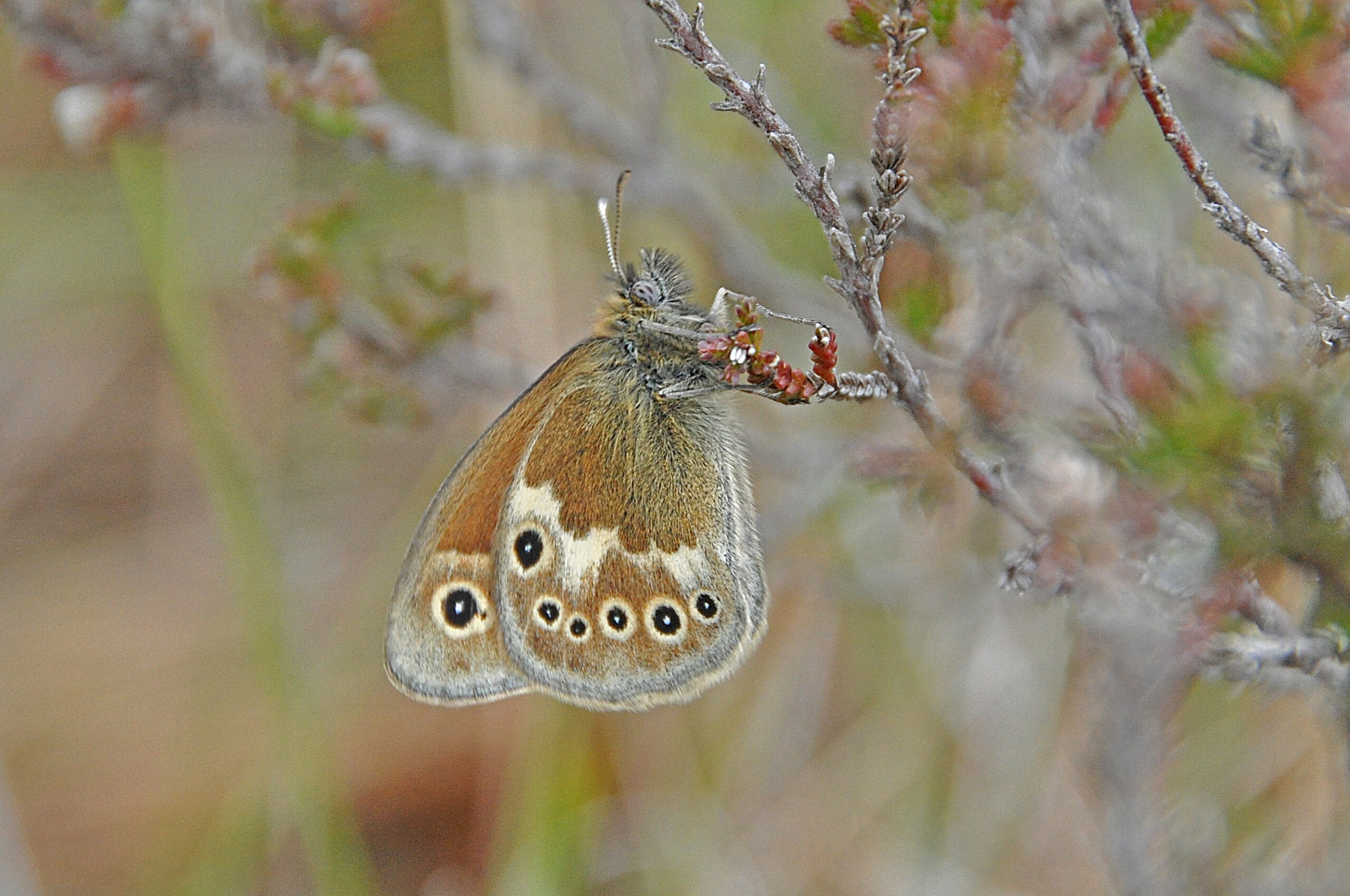
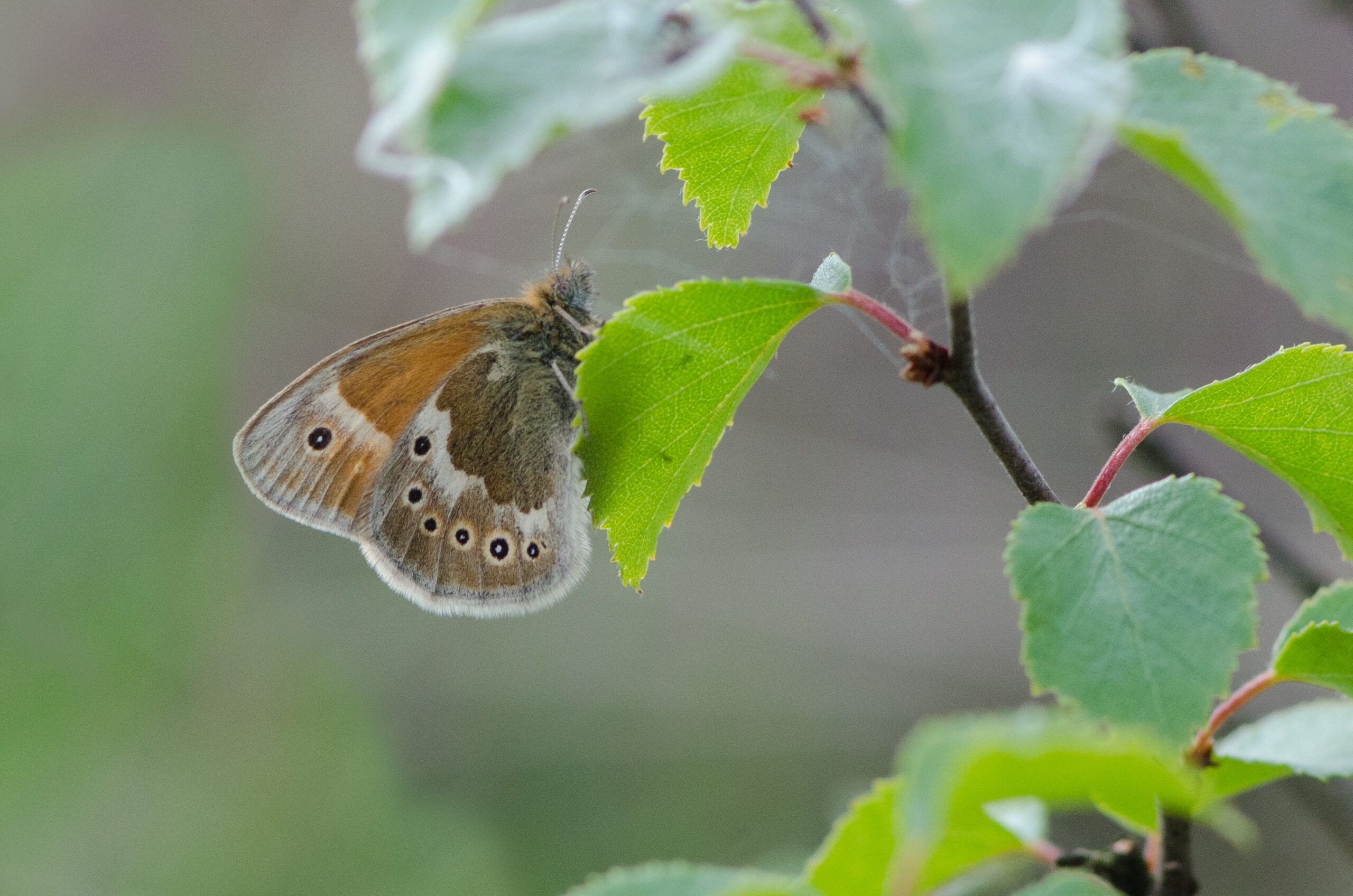
Coenonympha tulliaThe Large Heath is a specialist of bogs and wet moorlands, with earthy orange, brown and grey wings that blend into their surroundings. They fly low and unhurried, searching for nectar like Cross-leaved Heath. Their caterpillars are remarkably tough, able to survive flooding and even freezing conditions. Found in Scotland, northern England, Wales and Northern Ireland, their appearance can vary by region, with southern individuals showing more eye-spots to misdirect predators while northern ones rely more heavily on camouflage.

Perfectly adapted to their environments
The Large Heath is a beautiful bog-dweller. Their wings have earthy tones of orange, brown and grey which help them blend in with the wild, brooding landscapes they call home. They flit low over their damp surroundings, taking their time as they look for their favourite nectar plant or a potential mate.
Large Heaths have short life spans and don’t have much time to waste. This is thought to be why the females are less picky than other butterflies when it comes to choosing a suitable partner.
As caterpillars, they are well adapted to life on the moors and incredibly hardy. They have the extraordinary ability to survive for long periods under water and can even cope with being frozen.
The Large Heath is a northern butterfly, and can vary quite a lot in appearance depending on how far north you spot it. Those that live furthest south are generally more active in the day due to warmer temperatures, and tend to have more prominent eye-spot patterns on their wings. These direct birds to attack the wing edges rather than the head or body, giving the butterfly a better chance of escape.
Large Heaths that live further north tend to have fewer spots. For them, it is more often too cold or wet to fly, and they need to focus on blending with their surroundings as they hunker down.
These butterflies are found in Scotland, northern England, Wales and parts of Northern Ireland. You can find them in lowland and upland bogs as well as wet moorland. They will fly in even quite dull weather as long as the air temperature is above 14C, so don’t let the weather put you off the search.

Vibes
Each butterfly is scored out of 100 across a set of traits, from how bold and visible it is to how far it travels or how particular it is about where it lives. These scores compare each species with the other butterflies in Britain, helping you see their differences at a glance. Here’s what makes the Large Heath special.
Bright colours, bold patterns, and a love of the spotlight. Some butterflies just can’t help showing off.
Fast, or throwing some seriously impressive moves, these butterflies are in a flutter.
Always on guard, ready to hide or defend - these butterflies have self-preservation down to an art.
It’s ok to be a little… well, weird. These butterflies have been certified with the freak factor.
Like Goldilocks, everything has to be just right for these perfectionists.
Hard to spot and even harder to forget, these butterflies are a true one of a kind.
Bold, curious, and ready to explore, these brave butterflies live for the thrill and aren’t afraid to travel.
Weather-resistant, battle-hardened, and built to survive, these butterflies know how to take it on the wing.
Large Heath butterflies often keep flying in dull weather, as long as temperatures stay above 14°C, making them true cold-climate specialists.
Test your knowledge
What helps Large Heath caterpillars survive in their wet habitats?Large Heath caterpillars are highly resilient and can survive both flooding and freezing conditions.


Voting has now closed