

Adonis Blue
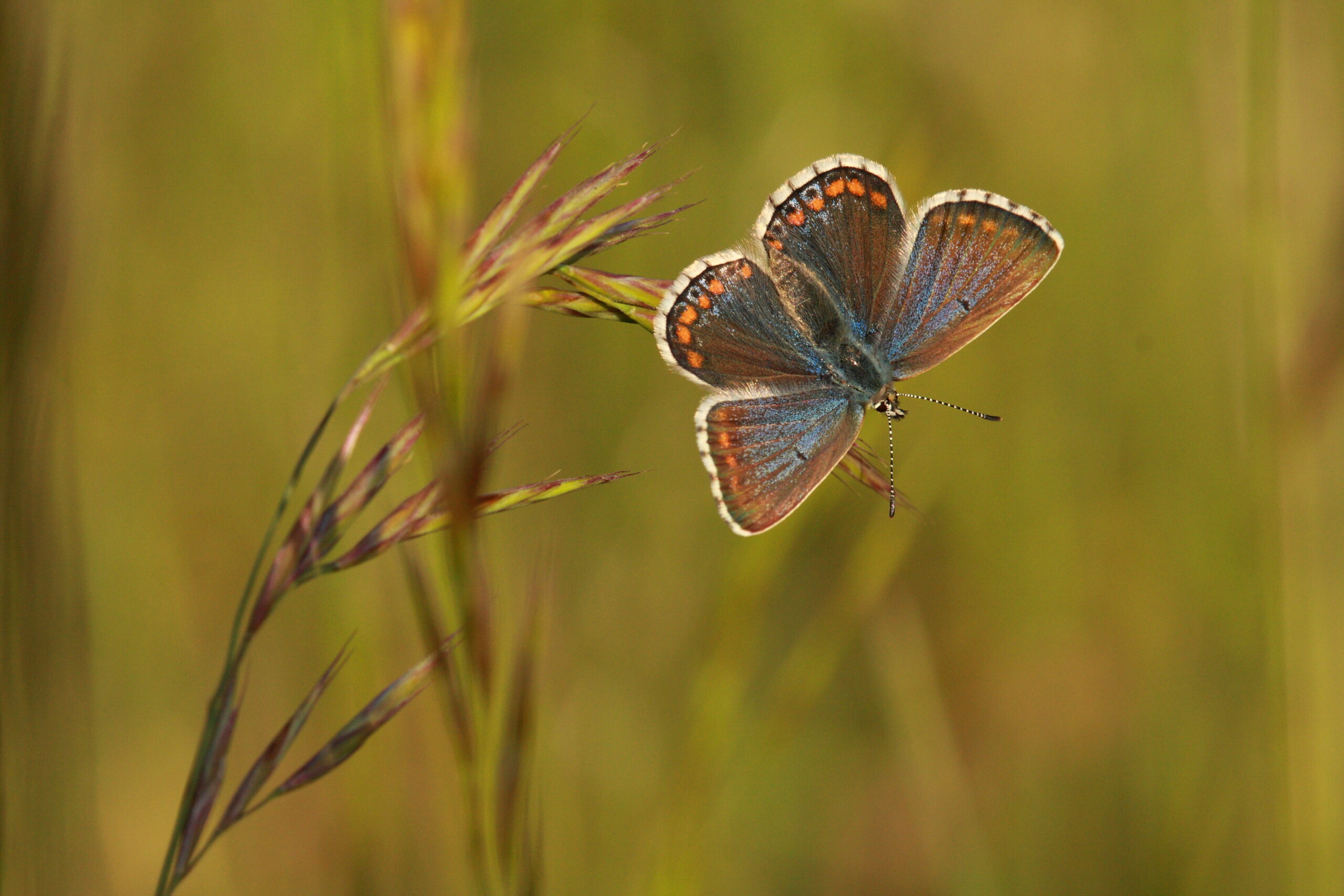
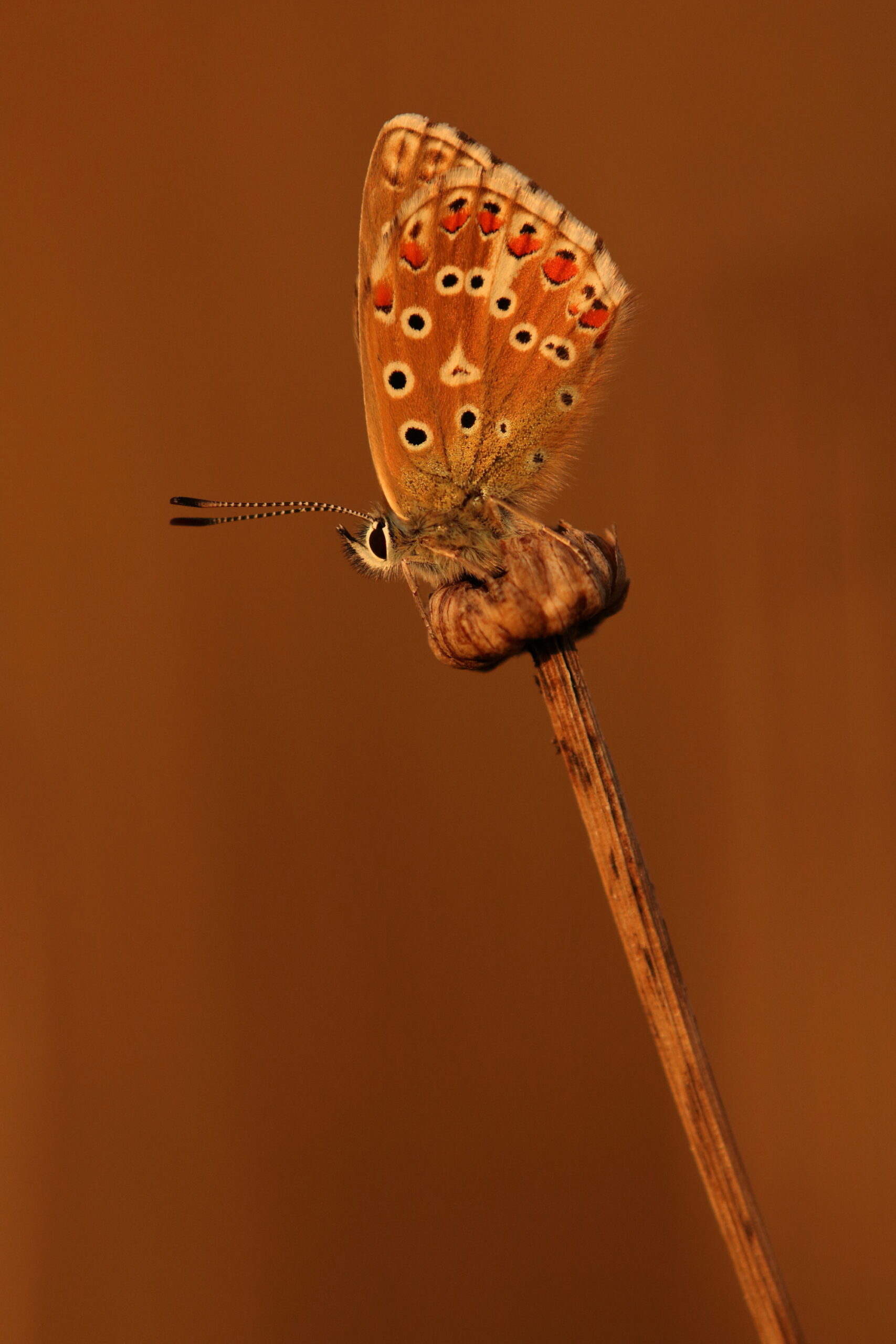
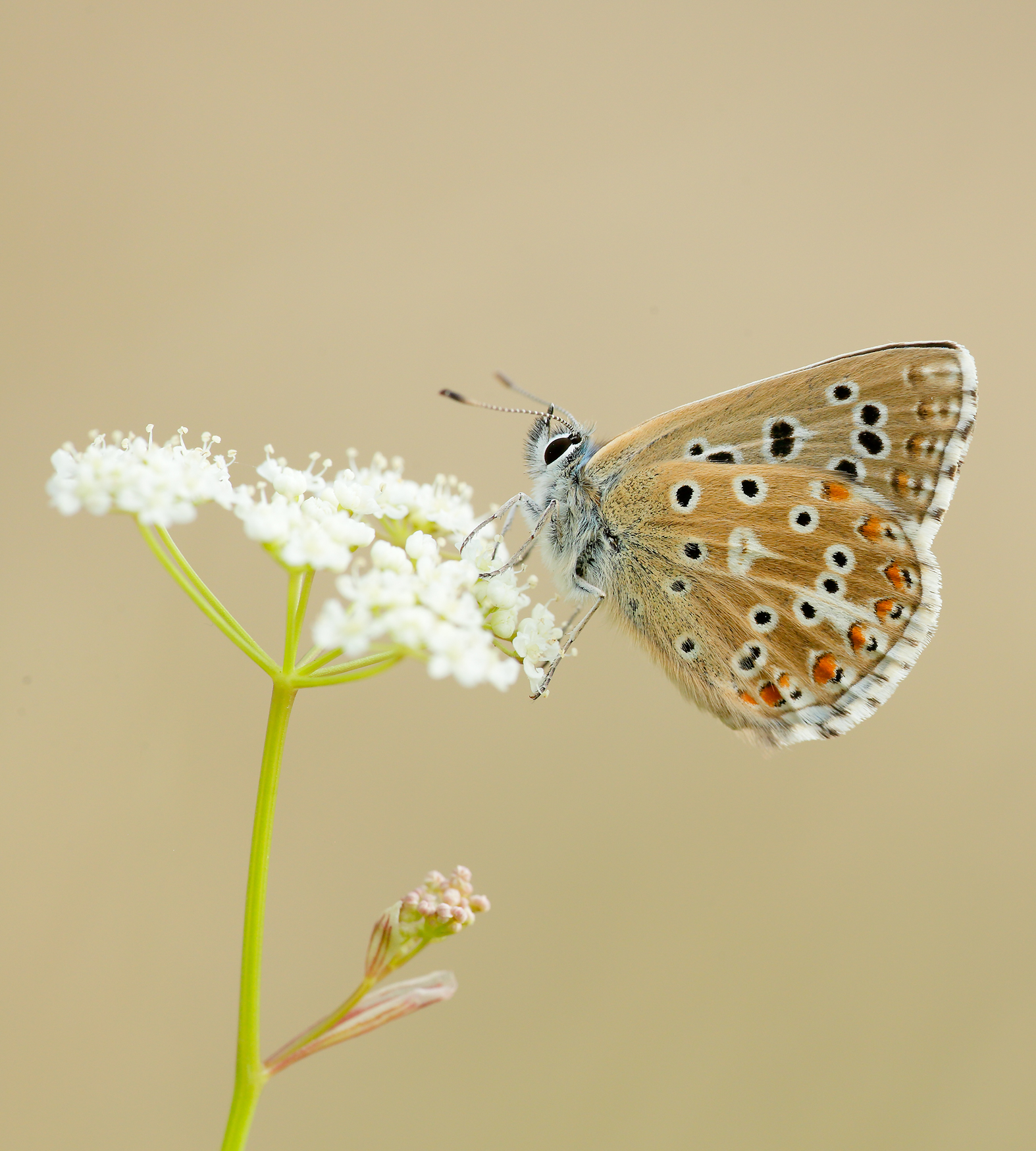
Polyommatus bellargusAdonis Blues are true showstoppers, with males flashing electric blue wings edged in black and white, while females display subtler brown tones with blue and orange highlights. Found on warm, south-facing chalk and limestone grasslands, these sun-loving butterflies thrive in sheltered spots where large groups can gather. As caterpillars, they rely solely on Horseshoe Vetch and form a remarkable partnership with ants, which protect them in exchange for sugary secretions. Highly social, even roosting together at night, the Adonis Blue’s numbers can rise or fall dramatically depending on the weather.

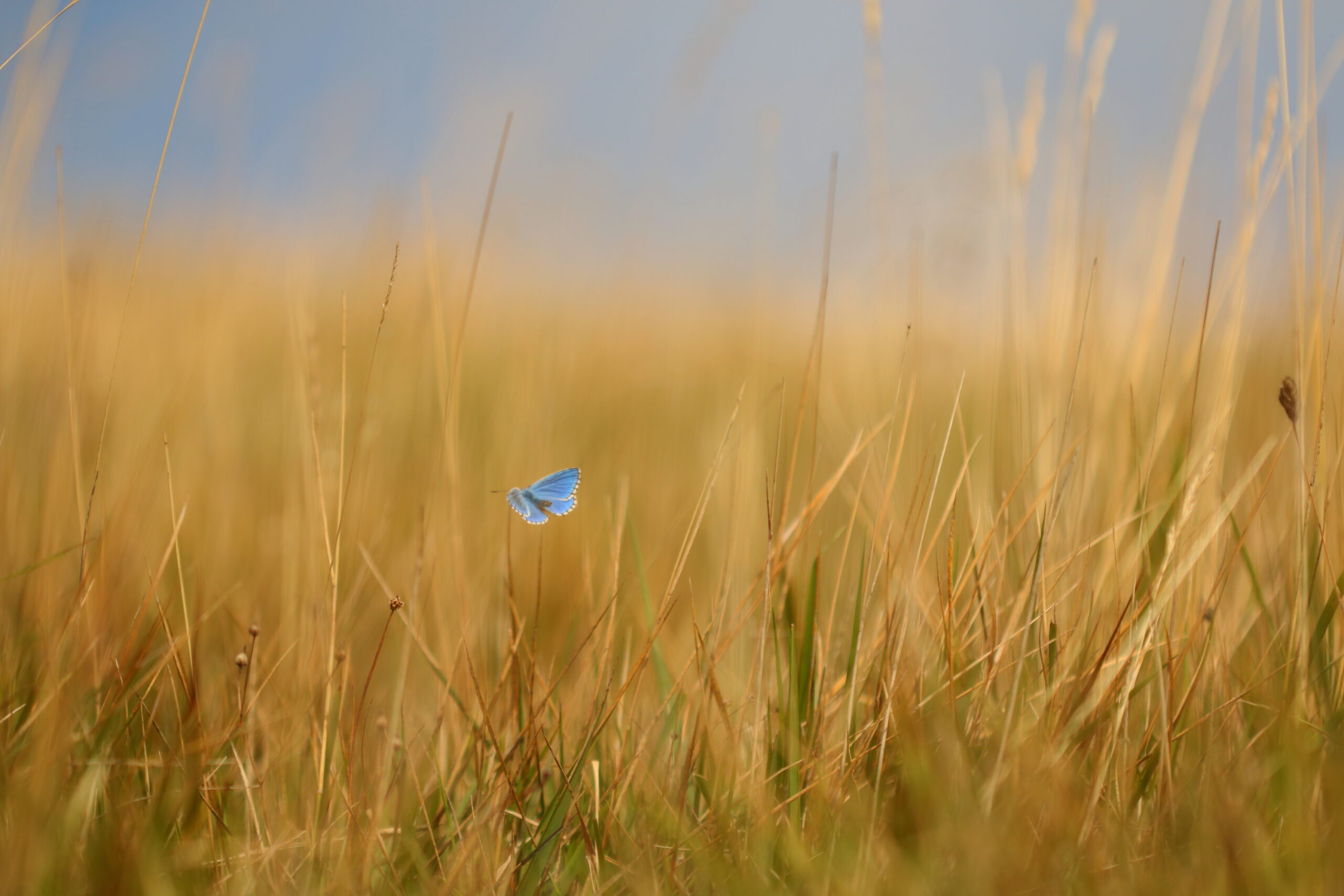
Godly electric blue wings gliding above the grass
In flight, this showy butterfly is hard to miss. Their electric blue wings are framed by a bold black border, fringed with white – a vibrant contrast to the green grazed grasslands they like to flit above. The females are less colourful but still very striking, with chocolate brown wings speckled with blue and edged with bright orange spots.
As caterpillars, they only eat Horseshoe Vetch, a perennial plant related to peas, with bright yellow flowers.
Being a sun worshipper, this blue beauty prefers warm slopes in the south of England. When you’re looking for these striking butterflies, you’ll find them near dry chalk or limestone grasslands and sheltered quarries. Find the right spot and you can sometimes see hundreds flying in swarms.
Their love of company continues into the night – when dark sets in, they like to get cosy with other Adonises in a communal roost.
Strangely enough, the Adonis Blue also likes to get cosy with ants. Ants enjoy the sugary secretions of the Adonis Blue’s quirky little green and yellow caterpillars. The caterpillars will then form a chrysalis underground in chambers connected to ants nests. These are covered in soil by the ants, who then act as bodyguards until the butterfly emerges.
When they’re not cutting deals with ants, this butterfly is a bit of a sensitive soul, particularly when it comes to the weather. The size of an Adonis Blue colony can vary massively from year to year, depending on the conditions. At the end of a long hot summer, you can see thousands emerging from a single colony. In springtime, you might not get a hundred.



Vibes
Each butterfly is scored out of 100 across a set of traits, from how bold and visible it is to how far it travels or how particular it is about where it lives. These scores compare each species with the other butterflies in Britain, helping you see their differences at a glance. Here’s what makes the Adonis Blue special.
Bright colours, bold patterns, and a love of the spotlight. Some butterflies just can’t help showing off.
Fast, or throwing some seriously impressive moves, these butterflies are in a flutter.
Always on guard, ready to hide or defend - these butterflies have self-preservation down to an art.
It’s ok to be a little… well, weird. These butterflies have been certified with the freak factor.
Like Goldilocks, everything has to be just right for these perfectionists.
Hard to spot and even harder to forget, these butterflies are a true one of a kind.
Bold, curious, and ready to explore, these brave butterflies live for the thrill and aren’t afraid to travel.
Weather-resistant, battle-hardened, and built to survive, these butterflies know how to take it on the wing.
Ants enjoy the sugary secretions of the Adonis Blue’s quirky little green and yellow caterpillars. Later, their chrysalis are protected by the ants until the butterfly emerges!
Test your knowledge
What makes the Adonis Blue’s relationship with ants unusual?The caterpillars produce sugary secretions for ants, which in return protect them and their chrysalis underground until they emerge as butterflies


Voting has now closed